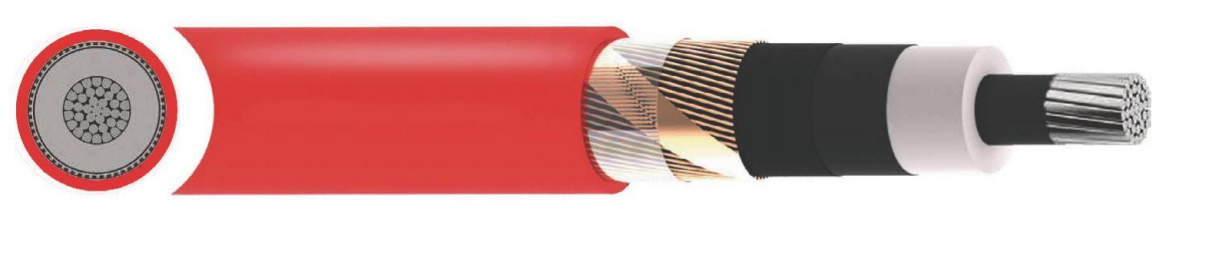
In the realm of energy infrastructure, Medium and Low-Voltage (MV&LV) Power Cable form the critical nervous system, powering everything from industrial facilities to urban grids. As they endure years of operation, especially in demanding environments, regular performance checks are non-negotiable. Two key specialized variants—Wind Power Special Cable and Solar Power Special Cable—face unique environmental challenges that demand attentive inspection.
Start with a visual sweep of the MV&LV Power Cable network. Look for signs of aging, such as surface cracks, discoloration, or damaged insulation. For Wind Power Special Cable, pay extra attention to flexibility at the cable bends, as constant turbine movement can weaken structural integrity over time. Similarly, Solar Power Special Cable installations, often exposed to harsh UV rays and extreme temperatures, should be examined for brittleness or sheath degradation.
Next, conduct electrical performance tests. Use diagnostic tools to measure insulation resistance and power loss. A significant drop in insulation values indicates potential degradation, which could lead to short circuits. For Wind Power Special Cable, which handles dynamic loads, evaluate its thermal stability under varying load conditions to ensure it can withstand mechanical stress.
Finally, assess compatibility with auxiliary systems. For Solar Power Special Cable, verify its connection efficiency with inverters and charge controllers, as poor contact can reduce energy harvest. Integrating these checks into a routine maintenance schedule ensures that your MV&LV Power Cables, along with their wind and solar-specific counterparts, continue to deliver reliable, safe power for years to come.